
Scotland's Highlands and Islands Aboard Lord of the Glens
Inverness / Kyle of Lochalsh / Embark Ship to Inverness / Disembark Ship


Scotland's Highlands and Islands
Get a sense of exploring Scotland by ship
Selected as a National Geographic Traveler magazine "Tour of a Lifetime" for its authenticity, immersion, sustainability, and connection, our Highlands and Islands expedition offers the most encompassing way to explore Scotland. The 48-guest Lord of the Glens is the only ship that allows you to:
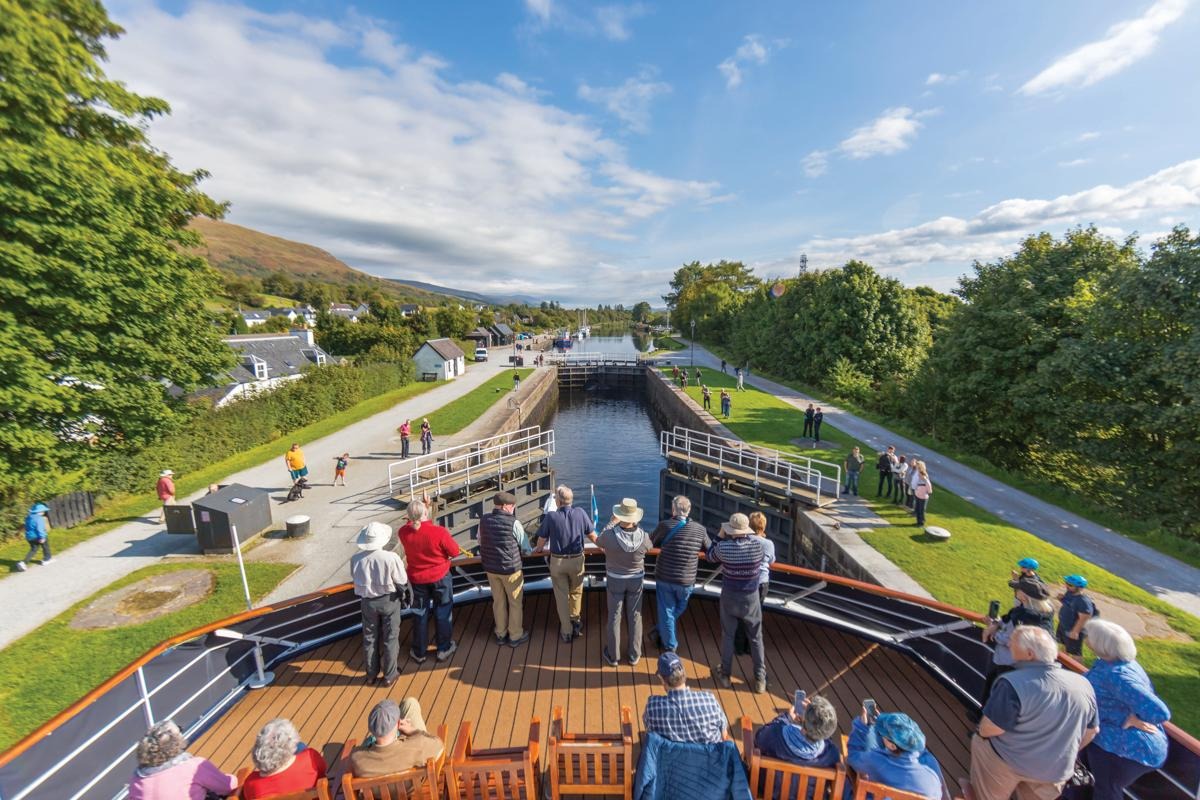
- Sail through the heart of Scotland via the Caledonian Canal that bisects the country, plus explore remote and beautiful islands of the Inner Hebrides
- Kayak Loch Linnhe, see the storied battlefield of Culloden, beautiful Glenfinnan, the historic Isle of Iona, and the isles of Mull, Eigg, and Skye
- Travel to hauntingly beautiful moorlands, grand castles, sacred abbeys, and sweeping mountains.
The highlights and seldom-seen Scotland
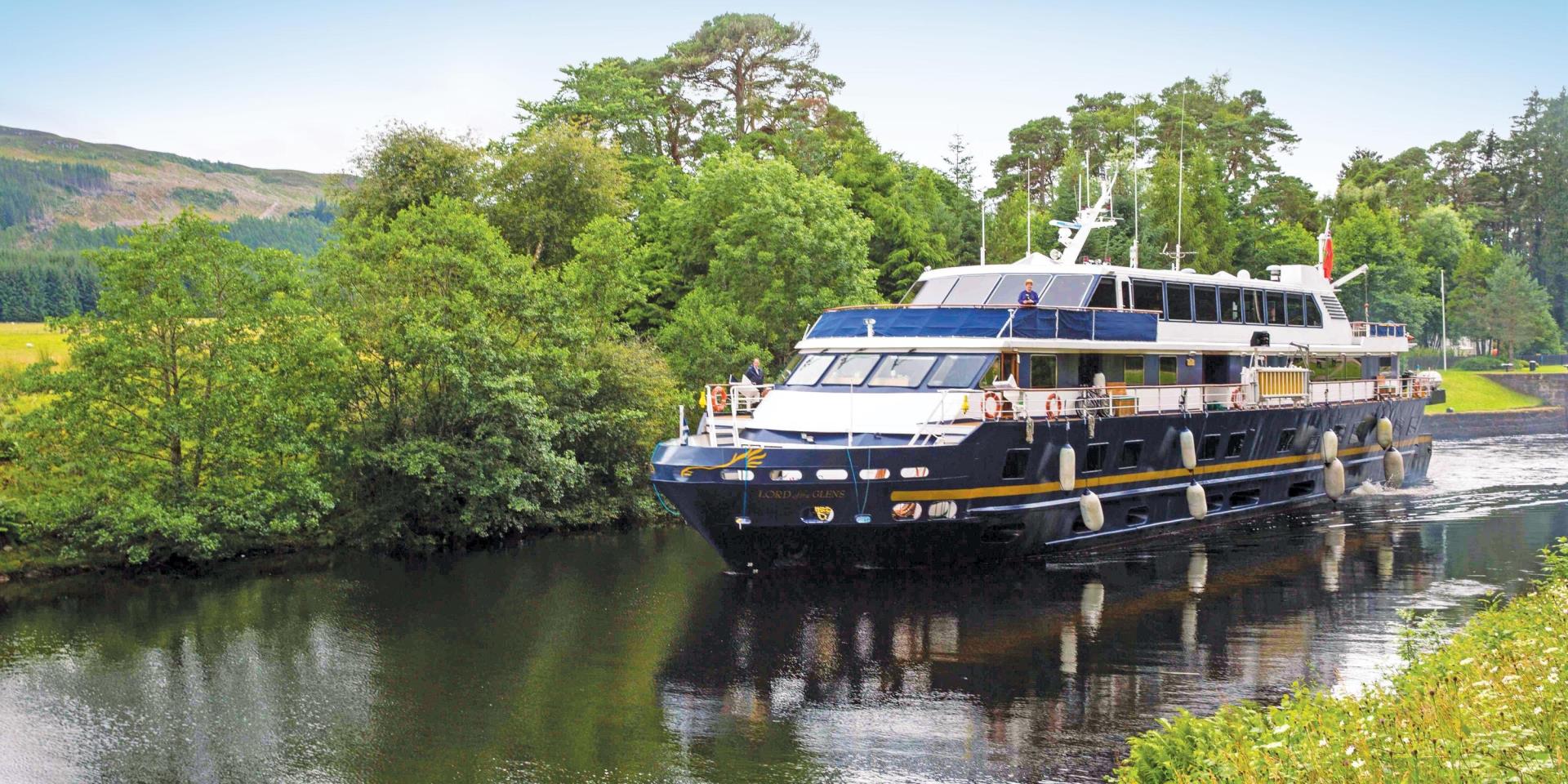
The only expedition of its kind, you’ll explore Scotland as few people have on an enchanting Highland tour of Scotland. Purpose-built for these waters, our gracious ship, Lord of the Glens is able to fit through narrow canals and stepped locks in the heart of the country and also navigate among the islands and their small communities along the coast. The result is a panoramic voyage, a rare expedition that offers an immersive, in-depth experience at a comfortable pace.
Experience the sweep of history
You’ll walk among ancient stone monuments, weave your way through ruins of fantastic castles, and stroll through a sacred abbey. Learn the legacy of 1,300-year-old clans and visit the cemetery of Scottish monarchs. Experience the charm of modern Scotland through live music on board and a special visit to the tiny Isle of Eigg, home to about 90 souls.
Travel in excellent company
Explore under the sure guidance of a veteran Scotland tour expedition leader, a historian, and a naturalist. Their knowledge and passion for Scotland is the key to your once-in-a-lifetime experience
- Expedition Cruises
| Additional Offers |
ID: 10424135
|
ID: 10424137
|
ID: 10424136
|
ID: 10424138
|
ID: 10424139
|
|---|---|---|---|---|---|
|
|
|
|
|
|
|
|
ID: 10424135
|
ID: 10424137
|
ID: 10424136
|
ID: 10424138
|
ID: 10424139
|
About Lord of the Glens
Lord of the Glens was built for one purpose—to fit through the network of locks, lochs, and waterways that make up the Caledonian Canal, which cuts through the very heart of the Scottish Highlands connecting the North Sea to the Atlantic Ocean. Add to that her ability to navigate the coastline and venture to the islands of the Inner Hebrides, and you have the basis for a singularly unique and striking expedition.
Highlights
Sail to the heart of the Highlands and explore wild outer isles
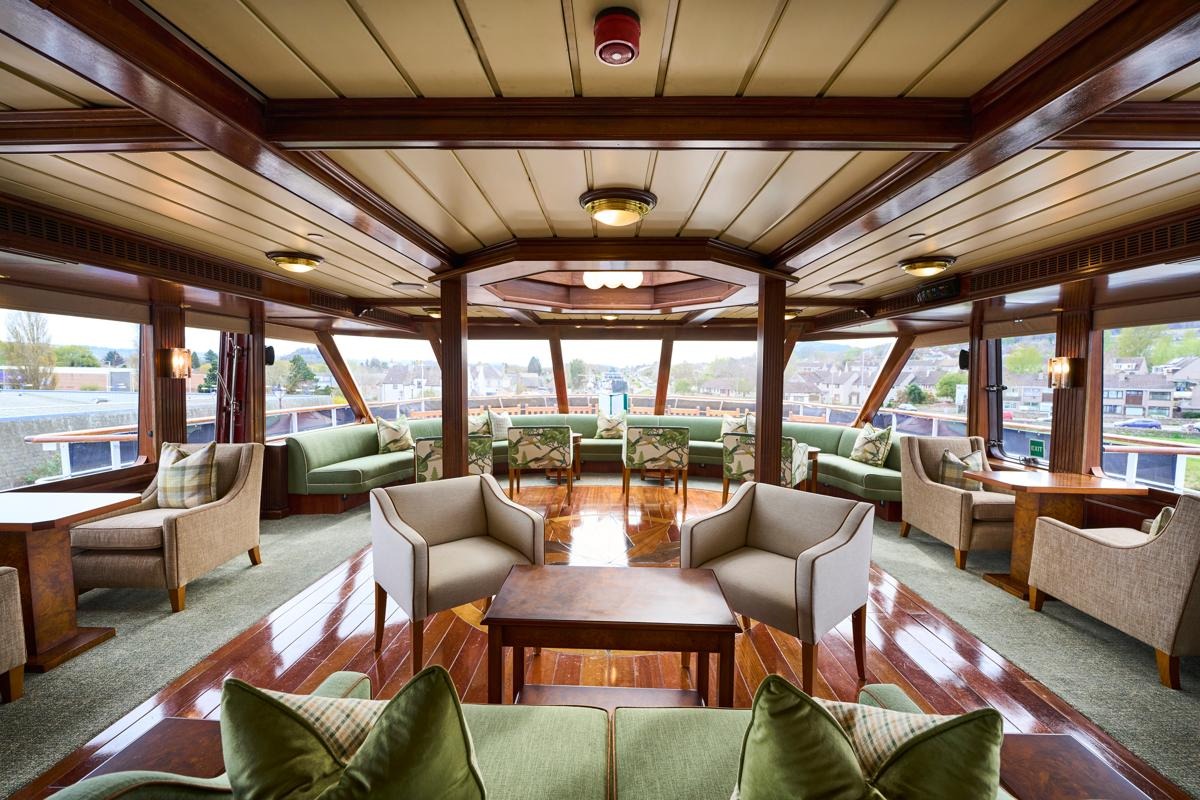
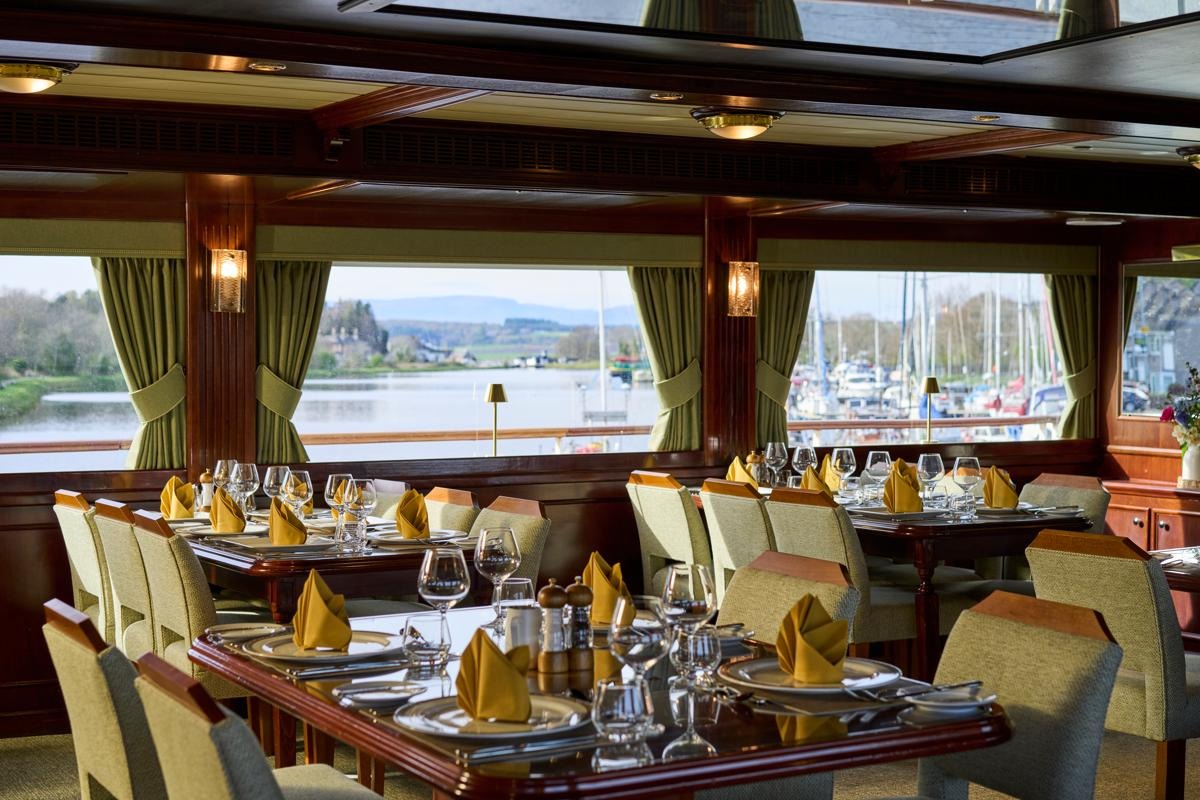
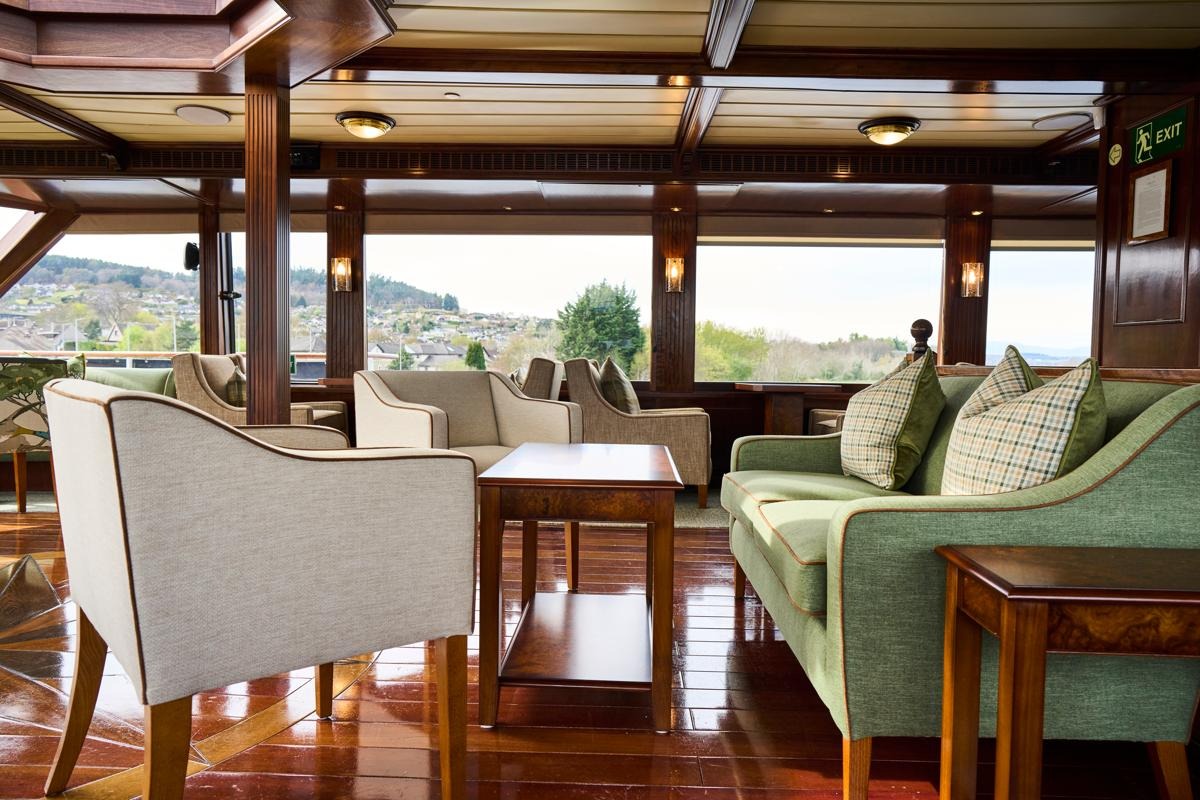
- Life aboard Lord of the Glens feels like a cross between relaxing in a stately country manor and taking a voyage aboard a private yacht with friends. It is the perfect way to explore the Scottish countryside. She is paneled in polished wood, with teak decks, offering gourmet cuisine, and exceptional personal service.
- Lord of the Glens is the only ship of its kind able to both navigate the locks of the Caledonian Canal and sail among the islands of the Inner Hebrides. She offers us the unique ability to explore both the Highlands and the fabled Scottish isles.
- The ship is outfitted with bicycles and kayaks, allowing guests to pedal into these small towns and explore the countryside at a leisurely pace, or kayak on picturesque Loch Linnhe.
| 02 | Category 2 | $13,110.00 USD | |
| 01 | Category 1 | $11,500.00 USD |
Cabin code: 01
James Watt Deck #105; David Roberts Deck #209, 211, 212 - James Watt Deck cabins feature two portholes and a double bed or two lower single beds. David Roberts Deck Cabins features a double bed and picture window.
Cabin code: 02
David Roberts Deck #201-208, 210, 214, 216-217; Alexander Graham Bell Deck #301-306 - Cabins feature a picture window and a double bed or two lower single beds.
Costs Include: All accommodations aboard ships or in hotels per itinerary or similar, all meals and nonalcoholic beverages aboard ship, meals on land as indicated, air transportation where indicated as included, shore excursions, sightseeing and entrance fees, special access permits, transfers to and from group flights, use of snorkeling equipment and wet suits, use of kayaks (where available), tips (except to Egyptologists and ship’s crew), taxes and service charges, services of a ship physician on most voyages, and services of our expedition staff.
Not Included: Air transportation (except where shown as included), extensions, passport, visa, immigration fees, scuba diving (where available), meals not indicated, baggage/accident/travel protection plan, items of a personal nature, such as alcoholic beverages, e-mail, laundry. Gratuities to Egyptologists and ship’s crew at your discretion.
Airfare: For all programs, airfare is an additional cost unless otherwise indicated. Sample airfares are based on 2007 fares and are subject to change. We will gladly assist in making your air arrangements.
Note: Complete pre-journey information, including suggestions on what to bring and recommended reading, will be sent after your reservation is confirmed 4-6 months prior to departure.
Inspired by the Journey
Each ship in the National Geographic-Lindblad Expeditions fleet tells its own story, shaped by the regions it sails and the people who bring it to life. Designed to reflect a true sense of place, vessels marry thoughtful design with the spirit of exploration, brought to life by a team whose warmth and expertise make every voyage feel personal. Carefully curated amenities—from wellness spaces and observation lounges to art collections and locally inspired cuisine—create an atmosphere of comfort and connection. Enrichment programs led by naturalists, photographers and guest speakers add even greater depth, ensuring that life on board is as engaging and inspiring as the adventures that await ashore.
Ship Amenities
Ships embody the spirit of discovery, blending exploration with elegance. Shared spaces like observation lounges, map rooms and libraries foster community and curiosity, inviting you to connect with fellow travelers and the natural world around you. Aboard newer vessels—such as the state-of-the-art polar ships—superior amenities like glass-walled saunas, infinity hot tubs and overnight igloos redefine comfort in the most remote environments, ensuring time at sea is both a restorative retreat and an inspiring extension of your adventure.

Culinary Experiences
Meals aboard the fleet offer the chance to savor the flavors of the places you visit. Our chefs design distinctive menus that celebrate regional culinary traditions, whether it’s paella in Spain or udon in Japan. Through pioneering farm-to-table programs in destinations like the Galápagos and the Pacific Northwest, and by partnering with local farmers, fishers and vintners who are committed to sustainable practices, we bring authentic tastes and stories to your table. Each meal reflects the character of your destination, making cuisine a memorable part of your journey.

Wellness and Renewal
Find tranquility at sea with our wellness program, designed to refresh the body and renew the mind. While offerings vary, most ships have spa treatment rooms and other dedicated wellness spaces, such as fitness centers, yoga studios and saunas. Greet the day with a sunrise stretch session, or wind down after an adventure ashore with a restorative massage. Each experience is tailored to your unique wellness needs, leaving you feeling refreshed and ready for the journey ahead.
Cultural Connections
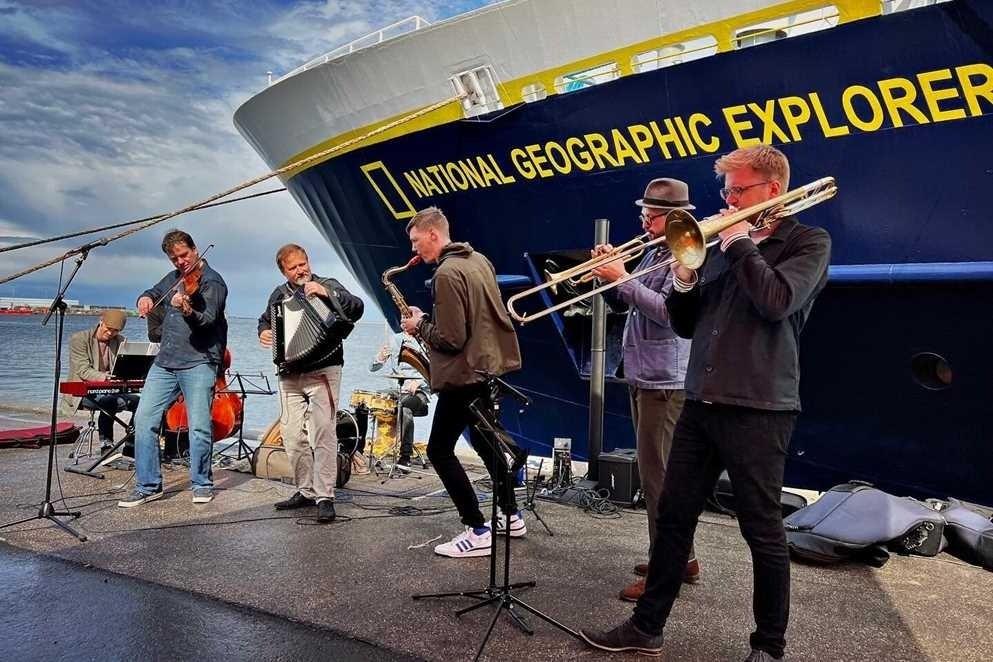
The art and music that fill the ships are thoughtfully chosen to bring your destination vividly to life. On select voyages, live performances illuminate regional stories and traditions, while throughout the fleet, artwork and design reflect the cultures and landscapes that shape your journey. Aboard National Geographic Endurance and National Geographic Resolution, immersive exhibitions of polar art curated by artist Zaria Forman deepen this creative dialogue. Together, these cultural expressions transform time at sea into a celebration of place.
Travel in Good Company
Each evening of your voyage, you’ll gather in the ship’s lounge with your expedition team for our signature daily Recap—a chance to reflect on the day’s adventures, share discoveries with fellow travelers and preview the activities ahead. Through vivid images, expert commentary and stories from naturalists and cultural specialists, the day’s experiences gain depth and meaning, enriching your connection to your destination.
Science at Sea
Taking knowledge further
Get an inside look at innovative science and conservation projects
The ships in the National Geographic-Lindblad Expeditions fleet are not only equipped for adventure—they also host important research and conservation work as part of the Visiting Scientist Program. This innovative initiative allows scientists to use the fleet as a platform to build and foster their research endeavors in places like Antarctica, the Arctic and Galápagos.
The Visiting Scientist Program has been active for years, and in response to the program’s popularity with guests, National Geographic-Lindblad Expeditions is expanding it for the upcoming travel seasons. Now, more travelers than ever before can voyage alongside fascinating researchers, enjoy talks on their findings and, in some instances, participate in the scientific process through activities such as data collection.
New and Ongoing Research Projects
National Geographic-Lindblad Expeditions has supported projects that take place all over the world. From manta rays to microbes and microplastics, we are excited to support and collaborate on research projects in regions where our fleet explores.
OCEAN STUDIES
Polar microbial primary productivity around the Svalbard Archipelago
Arctic marine algae living in sea ice and the upper ocean are tiny powerhouses, using carbon dioxide and sunlight to produce oxygen and food for larger polar organisms. This project measures oxygen dynamics and diversity to better understand what controls variations in microbial assemblages and their productivity. Samples of surface seawater will be analyzed for microbial biodiversity, cell abundance and changes in oxygen production. National Geographic Explorer Allison Fong joins the National Geographic Resolution in Svalbard for this project.
Microbial gateways of the North Atlantic: Examining sub-Arctic plankton
This project investigates the microbial community composition in sub-Arctic marine waters surrounding Iceland and Greenland to better understand biodiversity patterns in rapidly changing environments. Surface seawater samples will be filtered to capture microscopic plankton, followed by molecular analysis to characterize the species assemblage. Environmental data, including temperature and salinity, inform how physical conditions shape plankton distributions in high-latitude settings. The project will also use specialized microscopy and imaging techniques to visually document plankton diversity and enhance outreach to broad audiences. National Geographic Explorer Gabrielle Corradino and her team join the NG Endurance in Iceland and Greenland for this project.
Ice melt and biological productivity at the edge of the Greenland ice sheet
Over the past few decades, Greenland’s ice sheet and coastal waters have undergone rapid changes. This project measures shifts in physical, chemical, and biological ocean properties along the Greenland coastline. Objectives include investigating how ocean temperature changes are linked with glacier ice loss and determining how summertime ice sheet melt is altering nutrient availability for algae growth. Understanding connections between these processes is important for quantifying how Arctic marine ecosystems will evolve in the future. Dr. Mike Wood joins the National Geographic Resolution in Greenland for this project.
ENVIRONMENT
Long-term monitoring of rocky shore temperatures and biodiversity
Coastal ecosystems can be exceptionally challenging, exposing organisms to extreme and constantly changing environmental conditions as well as heightened climate change vulnerability. The CCTBON project is a decades-long monitoring program assessing temperature and biodiversity on hundreds of Atlantic rocky shores, including the severely understudied polar and tropical regions. This long-term effort provides crucial data improving understanding of links between temperature and biodiversity while uncovering climate change impacts on intertidal ecosystems. National Geographic Explorer Rui Seabra and his team join the National Geographic Resolution in Svalbard and Coastal Norway for this project.
Ice at the edge: Walls of change
The single largest source of uncertainty in projections of sea level rise is the speed at which the Greenland and Antarctic ice sheets will retreat. The structural processes that control ice stability (how tall can cliffs get? how do they hold themselves together?) are not (yet) well understood. Observations of ice cliffs, where the ice sheets meet the ocean, are essential. The main objective of this project is to opportunistically observe coastal glacier cliffs and icebergs, and document their changing faces. National Geographic Explorer Catherine Walker joins the National Geographic Endurance in Greenland for this project.
Mapping microplastics and microfibers in water and air
Rozalia Project for a Clean Ocean has been investigating the problem of microplastic and microfiber pollution and developing solutions for a decade. One of those solutions is CSI for the Ocean: A Global Citizen Science Microplastic Mapping and Monitoring Program. As part of this effort, the research team leads guests in exploring microplastics and anthropogenic microfibers that could be floating on the ocean’s surface or suspended in the air. National Geographic Explorer Rachael Miller joins the National Geographic Endurance in Iceland, Greenland and Scotland for this project.
Making a Difference
Using the power of travel to make a positive impact
National Geographic-Lindblad Expeditions cares deeply about the planet and is proud to serve as a catalyst for meaningful change.
Pioneering Responsible Exploration
From our consistent quest to improve our practices to offsetting 100% of our carbon emissions, supporting conservation, science, and education initiatives around the planet, and investing in the communities in the places we explore, we are guided by our commitment to explore responsibly.
FOCUS AREAS
Single-use Plastic
The National Geographic-Lindblad Expeditions fleet is 100% free of single-use plastic bottles, cups, straws, and stirrers. Together with National Geographic's "Planet or Plastic?" campaign, National Geographic-Lindblad Expeditions is raising awareness about the need to reduce the amount of plastic in the world's oceans.
Responsibly-sourced Food
At the heart of the culinary program is a sustainable seafood and locally-sourced food policy. Only the most sustainable options are served to help keep oceans healthy and fish stocks regenerating.
Global conservation
Thanks to generous travelers, the LEX-NG Fund supports impactful projects around the world that are preserving the oceans, restoring critical marine and coastal habitats, and fostering environmental stewardship in regions visited by the National Geographic-Lindblad Expeditions fleet and beyond.
Education
National Geographic-Lindblad Expeditions believes in the ability of teachers and young minds to change the world. With like-minded partners such as the National Geographic Society, Lindblad bridges the gap between people and nature. Because when people learn about the planet, they’re inspired to protect it.
Science at Sea
Scientific understanding can help protect critical habitats and species while inspiring travelers to see the world in a new way. By harnessing the power of citizen science and championing efforts to study the furthest depths of the ocean, the National Geographic-Lindblad Expeditions fleet becomes a platform for exploration and knowledge.
Artisans & local communities
Forming community relationships in the regions National Geographic-Lindblad Expeditions explores is a core company value. As you explore, you have many opportunities to make meaningful, mutually beneficial connections with artisans and other local people.
Lord of the Glens was built for one purpose—to fit through the network of locks, lochs, and waterways that make up the Caledonian Canal, which cuts through the very heart of the Scottish Highlands connecting the North Sea to the Atlantic Ocean. Add to that her ability to navigate the coastline and venture to the islands of the Inner Hebrides, and you have the basis for a singularly unique and striking expedition.
Highlights
Sail to the heart of the Highlands and explore wild outer isles
- Life aboard Lord of the Glens feels like a cross between relaxing in a stately country manor and taking a voyage aboard a private yacht with friends. It is the perfect way to explore the Scottish countryside. She is paneled in polished wood, with teak decks, offering gourmet cuisine, and exceptional personal service.
- Lord of the Glens is the only ship of its kind able to both navigate the locks of the Caledonian Canal and sail among the islands of the Inner Hebrides. She offers us the unique ability to explore both the Highlands and the fabled Scottish isles.
- The ship is outfitted with bicycles and kayaks, allowing guests to pedal into these small towns and explore the countryside at a leisurely pace, or kayak on picturesque Loch Linnhe.
| 02 | Category 2 | $13,110.00 USD | |
| 01 | Category 1 | $11,500.00 USD |
Cabin code: 01
James Watt Deck #105; David Roberts Deck #209, 211, 212 - James Watt Deck cabins feature two portholes and a double bed or two lower single beds. David Roberts Deck Cabins features a double bed and picture window.
Cabin code: 02
David Roberts Deck #201-208, 210, 214, 216-217; Alexander Graham Bell Deck #301-306 - Cabins feature a picture window and a double bed or two lower single beds.
Costs Include: All accommodations aboard ships or in hotels per itinerary or similar, all meals and nonalcoholic beverages aboard ship, meals on land as indicated, air transportation where indicated as included, shore excursions, sightseeing and entrance fees, special access permits, transfers to and from group flights, use of snorkeling equipment and wet suits, use of kayaks (where available), tips (except to Egyptologists and ship’s crew), taxes and service charges, services of a ship physician on most voyages, and services of our expedition staff.
Not Included: Air transportation (except where shown as included), extensions, passport, visa, immigration fees, scuba diving (where available), meals not indicated, baggage/accident/travel protection plan, items of a personal nature, such as alcoholic beverages, e-mail, laundry. Gratuities to Egyptologists and ship’s crew at your discretion.
Airfare: For all programs, airfare is an additional cost unless otherwise indicated. Sample airfares are based on 2007 fares and are subject to change. We will gladly assist in making your air arrangements.
Note: Complete pre-journey information, including suggestions on what to bring and recommended reading, will be sent after your reservation is confirmed 4-6 months prior to departure.
Inspired by the Journey
Each ship in the National Geographic-Lindblad Expeditions fleet tells its own story, shaped by the regions it sails and the people who bring it to life. Designed to reflect a true sense of place, vessels marry thoughtful design with the spirit of exploration, brought to life by a team whose warmth and expertise make every voyage feel personal. Carefully curated amenities—from wellness spaces and observation lounges to art collections and locally inspired cuisine—create an atmosphere of comfort and connection. Enrichment programs led by naturalists, photographers and guest speakers add even greater depth, ensuring that life on board is as engaging and inspiring as the adventures that await ashore.
Ship Amenities
Ships embody the spirit of discovery, blending exploration with elegance. Shared spaces like observation lounges, map rooms and libraries foster community and curiosity, inviting you to connect with fellow travelers and the natural world around you. Aboard newer vessels—such as the state-of-the-art polar ships—superior amenities like glass-walled saunas, infinity hot tubs and overnight igloos redefine comfort in the most remote environments, ensuring time at sea is both a restorative retreat and an inspiring extension of your adventure.
Culinary Experiences
Meals aboard the fleet offer the chance to savor the flavors of the places you visit. Our chefs design distinctive menus that celebrate regional culinary traditions, whether it’s paella in Spain or udon in Japan. Through pioneering farm-to-table programs in destinations like the Galápagos and the Pacific Northwest, and by partnering with local farmers, fishers and vintners who are committed to sustainable practices, we bring authentic tastes and stories to your table. Each meal reflects the character of your destination, making cuisine a memorable part of your journey.
Wellness and Renewal
Find tranquility at sea with our wellness program, designed to refresh the body and renew the mind. While offerings vary, most ships have spa treatment rooms and other dedicated wellness spaces, such as fitness centers, yoga studios and saunas. Greet the day with a sunrise stretch session, or wind down after an adventure ashore with a restorative massage. Each experience is tailored to your unique wellness needs, leaving you feeling refreshed and ready for the journey ahead.
Cultural Connections
The art and music that fill the ships are thoughtfully chosen to bring your destination vividly to life. On select voyages, live performances illuminate regional stories and traditions, while throughout the fleet, artwork and design reflect the cultures and landscapes that shape your journey. Aboard National Geographic Endurance and National Geographic Resolution, immersive exhibitions of polar art curated by artist Zaria Forman deepen this creative dialogue. Together, these cultural expressions transform time at sea into a celebration of place.
Travel in Good Company
Each evening of your voyage, you’ll gather in the ship’s lounge with your expedition team for our signature daily Recap—a chance to reflect on the day’s adventures, share discoveries with fellow travelers and preview the activities ahead. Through vivid images, expert commentary and stories from naturalists and cultural specialists, the day’s experiences gain depth and meaning, enriching your connection to your destination.
Science at Sea
Taking knowledge further
Get an inside look at innovative science and conservation projects
The ships in the National Geographic-Lindblad Expeditions fleet are not only equipped for adventure—they also host important research and conservation work as part of the Visiting Scientist Program. This innovative initiative allows scientists to use the fleet as a platform to build and foster their research endeavors in places like Antarctica, the Arctic and Galápagos.
The Visiting Scientist Program has been active for years, and in response to the program’s popularity with guests, National Geographic-Lindblad Expeditions is expanding it for the upcoming travel seasons. Now, more travelers than ever before can voyage alongside fascinating researchers, enjoy talks on their findings and, in some instances, participate in the scientific process through activities such as data collection.
New and Ongoing Research Projects
National Geographic-Lindblad Expeditions has supported projects that take place all over the world. From manta rays to microbes and microplastics, we are excited to support and collaborate on research projects in regions where our fleet explores.
OCEAN STUDIES
Polar microbial primary productivity around the Svalbard Archipelago
Arctic marine algae living in sea ice and the upper ocean are tiny powerhouses, using carbon dioxide and sunlight to produce oxygen and food for larger polar organisms. This project measures oxygen dynamics and diversity to better understand what controls variations in microbial assemblages and their productivity. Samples of surface seawater will be analyzed for microbial biodiversity, cell abundance and changes in oxygen production. National Geographic Explorer Allison Fong joins the National Geographic Resolution in Svalbard for this project.
Microbial gateways of the North Atlantic: Examining sub-Arctic plankton
This project investigates the microbial community composition in sub-Arctic marine waters surrounding Iceland and Greenland to better understand biodiversity patterns in rapidly changing environments. Surface seawater samples will be filtered to capture microscopic plankton, followed by molecular analysis to characterize the species assemblage. Environmental data, including temperature and salinity, inform how physical conditions shape plankton distributions in high-latitude settings. The project will also use specialized microscopy and imaging techniques to visually document plankton diversity and enhance outreach to broad audiences. National Geographic Explorer Gabrielle Corradino and her team join the NG Endurance in Iceland and Greenland for this project.
Ice melt and biological productivity at the edge of the Greenland ice sheet
Over the past few decades, Greenland’s ice sheet and coastal waters have undergone rapid changes. This project measures shifts in physical, chemical, and biological ocean properties along the Greenland coastline. Objectives include investigating how ocean temperature changes are linked with glacier ice loss and determining how summertime ice sheet melt is altering nutrient availability for algae growth. Understanding connections between these processes is important for quantifying how Arctic marine ecosystems will evolve in the future. Dr. Mike Wood joins the National Geographic Resolution in Greenland for this project.
ENVIRONMENT
Long-term monitoring of rocky shore temperatures and biodiversity
Coastal ecosystems can be exceptionally challenging, exposing organisms to extreme and constantly changing environmental conditions as well as heightened climate change vulnerability. The CCTBON project is a decades-long monitoring program assessing temperature and biodiversity on hundreds of Atlantic rocky shores, including the severely understudied polar and tropical regions. This long-term effort provides crucial data improving understanding of links between temperature and biodiversity while uncovering climate change impacts on intertidal ecosystems. National Geographic Explorer Rui Seabra and his team join the National Geographic Resolution in Svalbard and Coastal Norway for this project.
Ice at the edge: Walls of change
The single largest source of uncertainty in projections of sea level rise is the speed at which the Greenland and Antarctic ice sheets will retreat. The structural processes that control ice stability (how tall can cliffs get? how do they hold themselves together?) are not (yet) well understood. Observations of ice cliffs, where the ice sheets meet the ocean, are essential. The main objective of this project is to opportunistically observe coastal glacier cliffs and icebergs, and document their changing faces. National Geographic Explorer Catherine Walker joins the National Geographic Endurance in Greenland for this project.
Mapping microplastics and microfibers in water and air
Rozalia Project for a Clean Ocean has been investigating the problem of microplastic and microfiber pollution and developing solutions for a decade. One of those solutions is CSI for the Ocean: A Global Citizen Science Microplastic Mapping and Monitoring Program. As part of this effort, the research team leads guests in exploring microplastics and anthropogenic microfibers that could be floating on the ocean’s surface or suspended in the air. National Geographic Explorer Rachael Miller joins the National Geographic Endurance in Iceland, Greenland and Scotland for this project.
Making a Difference
Using the power of travel to make a positive impact
National Geographic-Lindblad Expeditions cares deeply about the planet and is proud to serve as a catalyst for meaningful change.
Pioneering Responsible Exploration
From our consistent quest to improve our practices to offsetting 100% of our carbon emissions, supporting conservation, science, and education initiatives around the planet, and investing in the communities in the places we explore, we are guided by our commitment to explore responsibly.
FOCUS AREAS
Single-use Plastic
The National Geographic-Lindblad Expeditions fleet is 100% free of single-use plastic bottles, cups, straws, and stirrers. Together with National Geographic's "Planet or Plastic?" campaign, National Geographic-Lindblad Expeditions is raising awareness about the need to reduce the amount of plastic in the world's oceans.
Responsibly-sourced Food
At the heart of the culinary program is a sustainable seafood and locally-sourced food policy. Only the most sustainable options are served to help keep oceans healthy and fish stocks regenerating.
Global conservation
Thanks to generous travelers, the LEX-NG Fund supports impactful projects around the world that are preserving the oceans, restoring critical marine and coastal habitats, and fostering environmental stewardship in regions visited by the National Geographic-Lindblad Expeditions fleet and beyond.
Education
National Geographic-Lindblad Expeditions believes in the ability of teachers and young minds to change the world. With like-minded partners such as the National Geographic Society, Lindblad bridges the gap between people and nature. Because when people learn about the planet, they’re inspired to protect it.
Science at Sea
Scientific understanding can help protect critical habitats and species while inspiring travelers to see the world in a new way. By harnessing the power of citizen science and championing efforts to study the furthest depths of the ocean, the National Geographic-Lindblad Expeditions fleet becomes a platform for exploration and knowledge.
Artisans & local communities
Forming community relationships in the regions National Geographic-Lindblad Expeditions explores is a core company value. As you explore, you have many opportunities to make meaningful, mutually beneficial connections with artisans and other local people.
About Lindblad Expeditions

For more than 50 years, Lindblad Expeditions has been sailing to captivating places near and far in pursuit of discovery, bringing along adventurous travelers to share in the thrill of uncovering the world’s wild secrets. Every voyage reinforces the core belief that the planet holds infinite potential—for new experiences, enhanced knowledge and increased understanding of humanity's role in protecting its trove of natural and cultural treasures.
This enduring quest for discovery inspires National Geographic-Lindblad Expeditions to find new ways to help you explore. It’s why they build ships that facilitate exploration with their cutting-edge technologies, design itineraries and assemble expedition teams that inspire and chart courses that take you deeper into remote places to give you a richer picture of our world. Because when it comes to exploration, it’s not just what you see, but how you see it that matters.
About Lindblad Expeditions
For more than 50 years, Lindblad Expeditions has been sailing to captivating places near and far in pursuit of discovery, bringing along adventurous travelers to share in the thrill of uncovering the world’s wild secrets. Every voyage reinforces the core belief that the planet holds infinite potential—for new experiences, enhanced knowledge and increased understanding of humanity's role in protecting its trove of natural and cultural treasures.
This enduring quest for discovery inspires National Geographic-Lindblad Expeditions to find new ways to help you explore. It’s why they build ships that facilitate exploration with their cutting-edge technologies, design itineraries and assemble expedition teams that inspire and chart courses that take you deeper into remote places to give you a richer picture of our world. Because when it comes to exploration, it’s not just what you see, but how you see it that matters.


